Why this still matters for project schedules
For buyers, customs friction usually appears late, right when installation dates are already fixed. That is why logistics content should stay close to practical preparation: commercial invoice, shipment details, and the right customs route before goods move.
The European Commission’s customs guidance states that, from 8 July 2024, customs authorities accept electronically issued A.TR movement certificates. That reduces avoidable paperwork friction, but only when the shipment file is prepared correctly from the start.
What a B2B buyer should confirm early
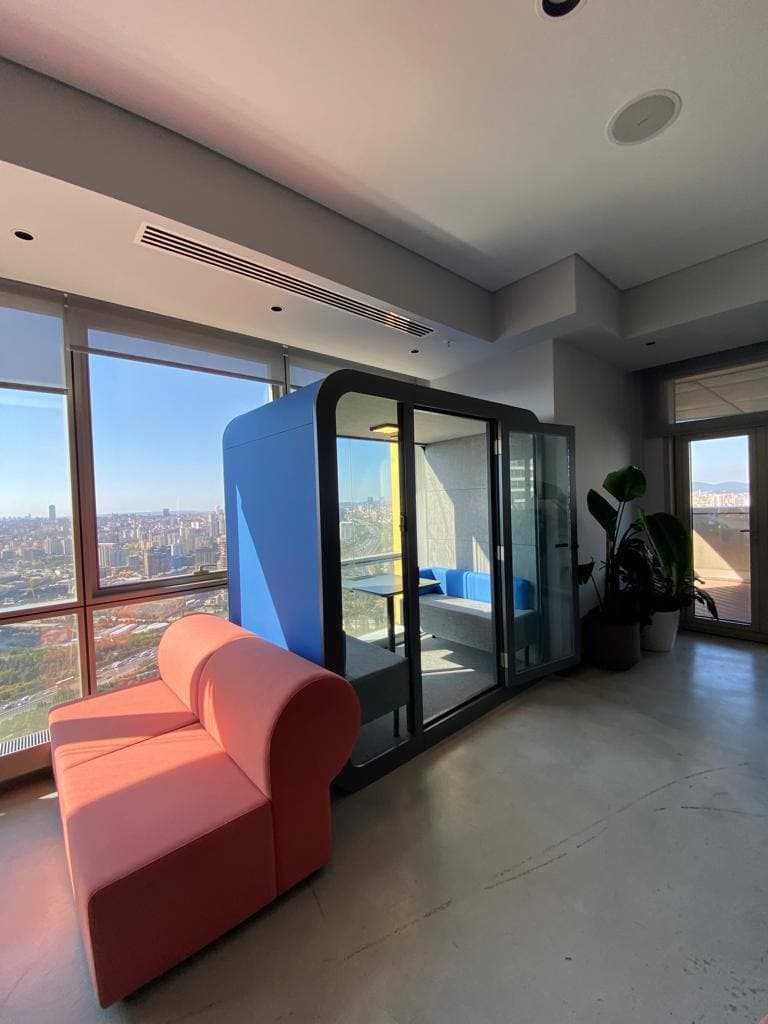
The right time to discuss customs is not after production. It is during quote alignment, when delivery address, consignee details, and commercial paperwork can still be checked calmly. For office pod projects, this is especially important because installation scheduling, site access, and freight timing often move together.
In practice, the best workflow is simple: align destination details early, confirm who receives the goods, and make customs paperwork part of the commercial checklist rather than a last-day shipping task.
Confirm consignee and delivery address before dispatch.
Treat customs paperwork as part of project planning, not only freight booking.
Use official customs guidance when documents or format change.
Get a project quote
Planning acoustic pods for your workplace?
Tell us your city, quantity, and target month. QAkustik replies within 24h with the right model, a clear price, and a realistic delivery window.