Challenge the default assumption: a room is not always the smarter answer
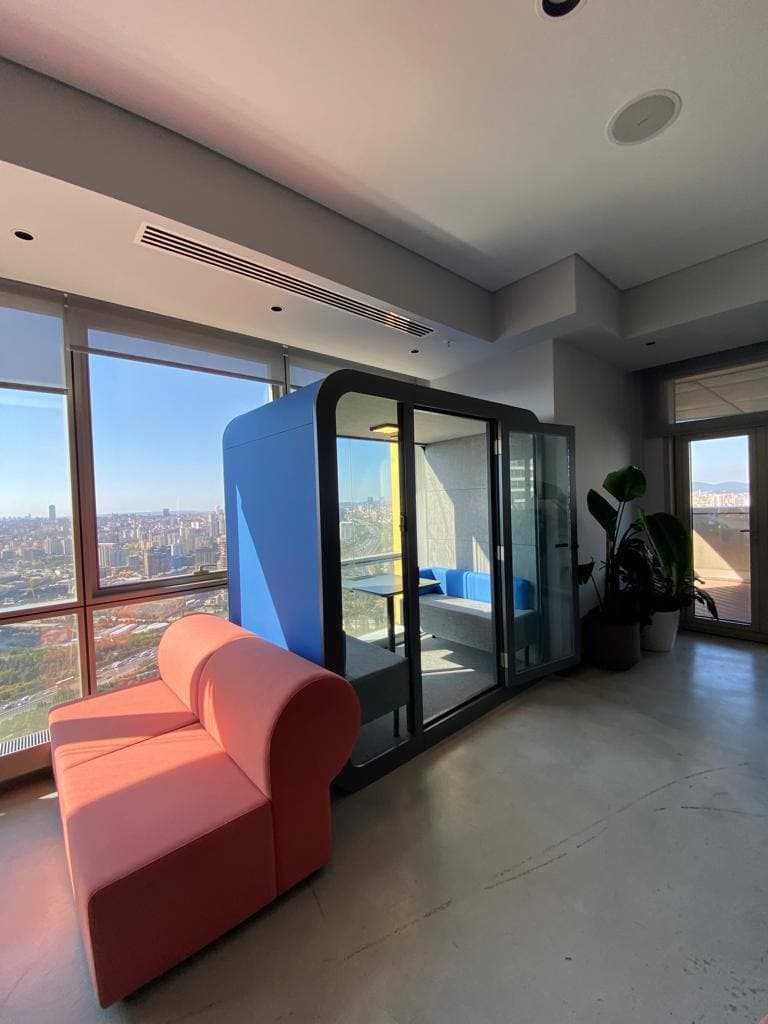
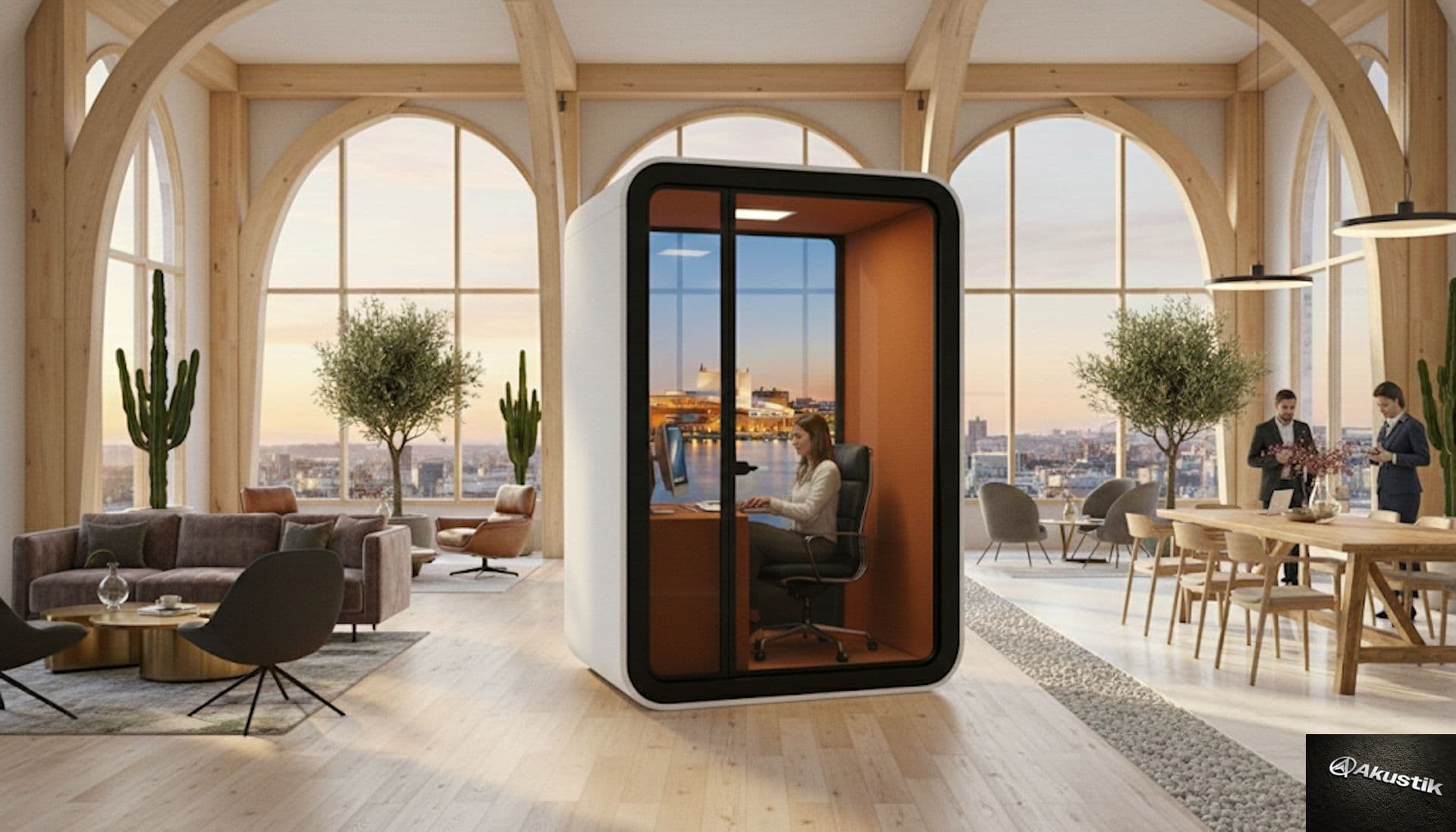
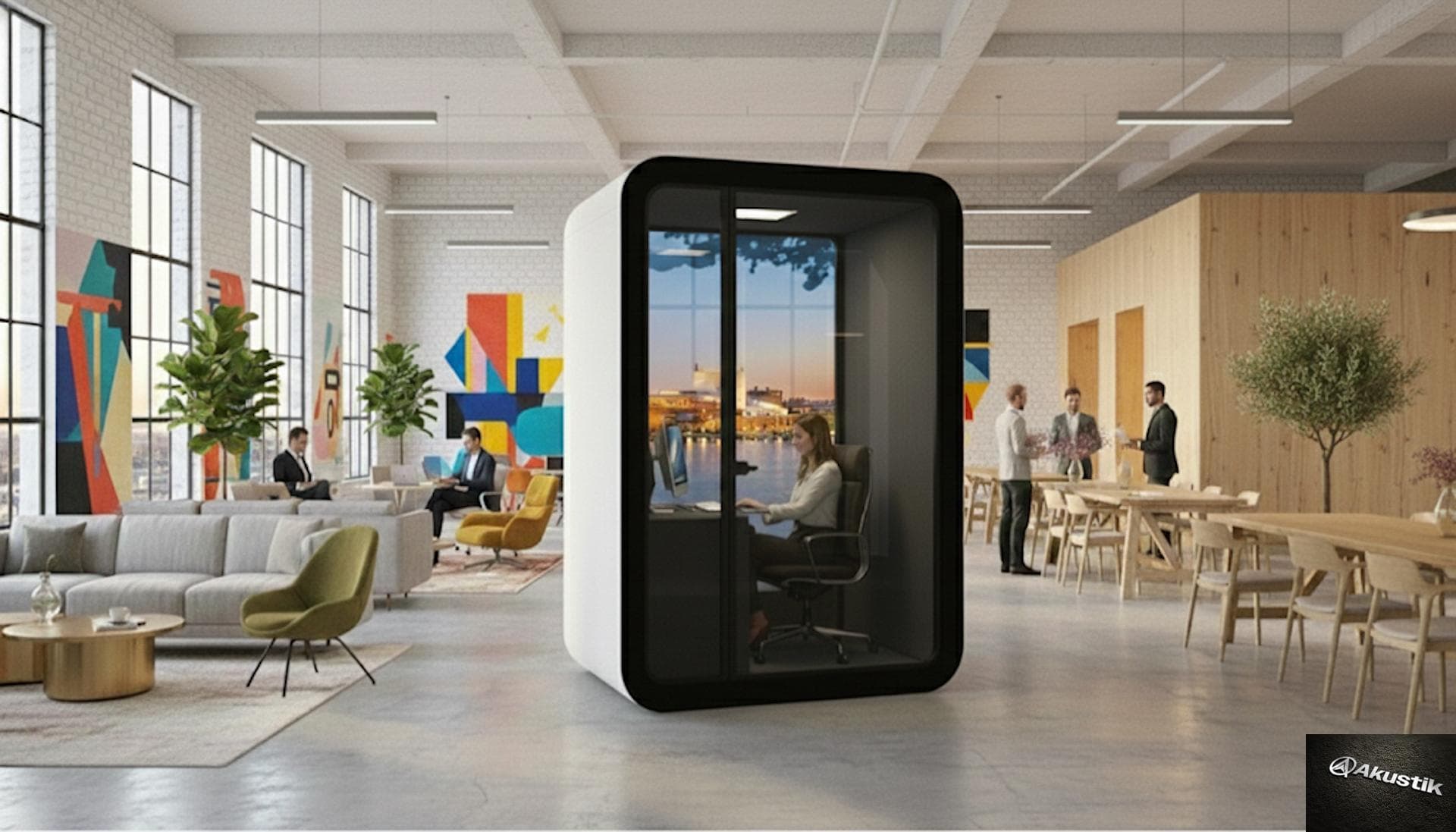
Teams often default to building a room because it feels permanent. That logic breaks down when the real bottleneck is not room count, but short private interactions spread across the day. A one-person or two-person pod can often protect more interrupted work hours per square meter than a conventional enclosed room.
That is the key buying question: how much privacy do you need, for how many people, and how often? If the dominant use case is one person taking calls or joining video meetings, a pod such as Berlin usually creates a faster and cheaper operational fix than converting more floor area into a room.
When a booth wins and when a room still makes sense
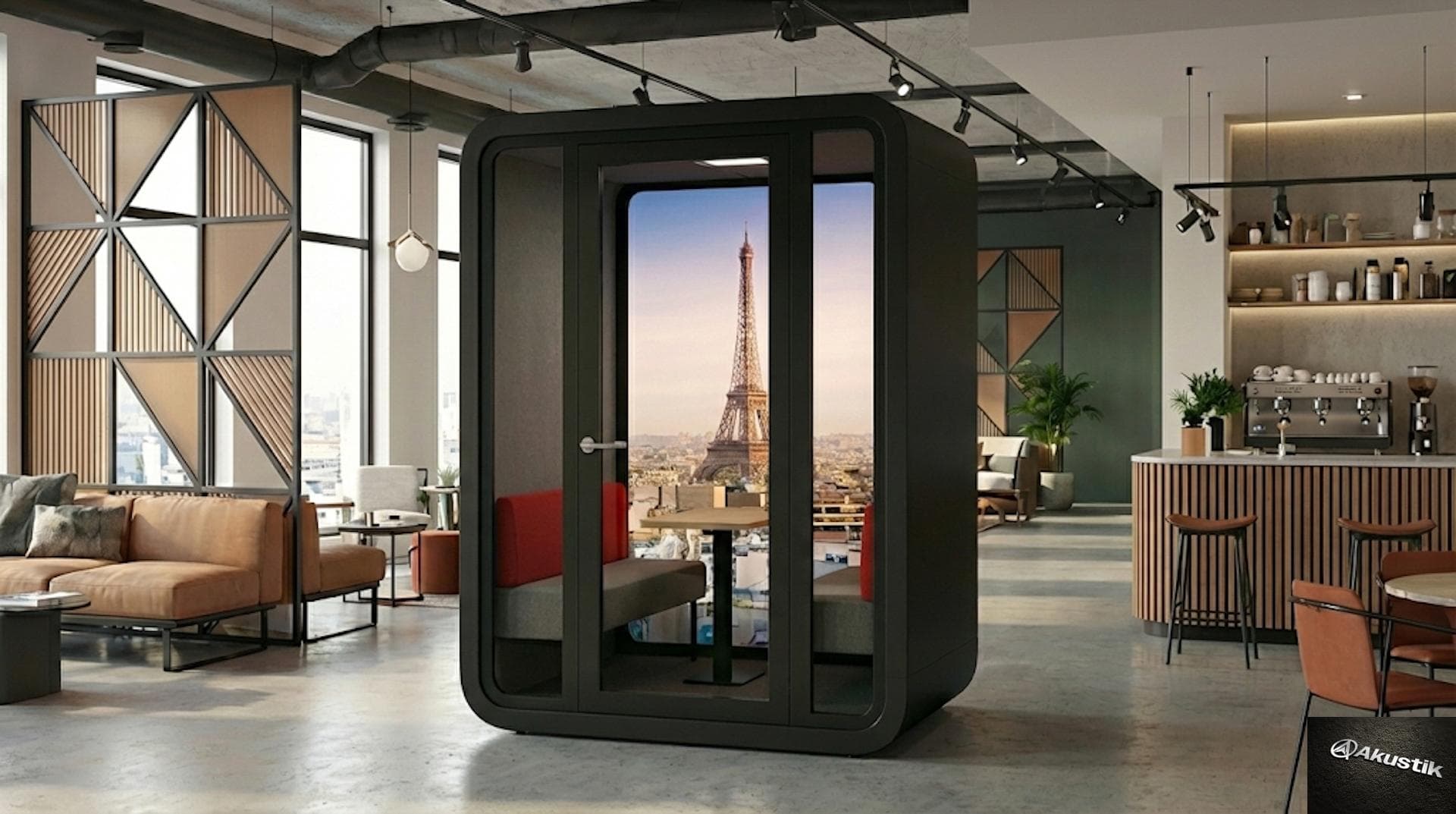
A booth wins when privacy demand is frequent, short-cycle, and distributed across the office. It is especially strong when you need fast installation, predictable ventilation, and a footprint that does not consume a full meeting-room budget. Berlin at 115 × 160 cm or Oslo at 130 × 160 cm can absorb call pressure that would otherwise spill across the floor.
A room still makes sense when collaboration runs longer, participants change frequently, or several people need to work together with documents, screens, and broader circulation. In other words, a room should be reserved for truly room-shaped work. A booth should remove all the smaller privacy tasks that waste the room supply.
Use booths for private calls, video meetings, and fast focus sessions.
Use rooms for larger groups, longer sessions, and multi-person collaboration.
Compare privacy protected per square meter, not only purchase price.
Get a project quote
Planning acoustic pods for your workplace?
Tell us your city, quantity, and target month. QAkustik replies within 24h with the right model, a clear price, and a realistic delivery window.